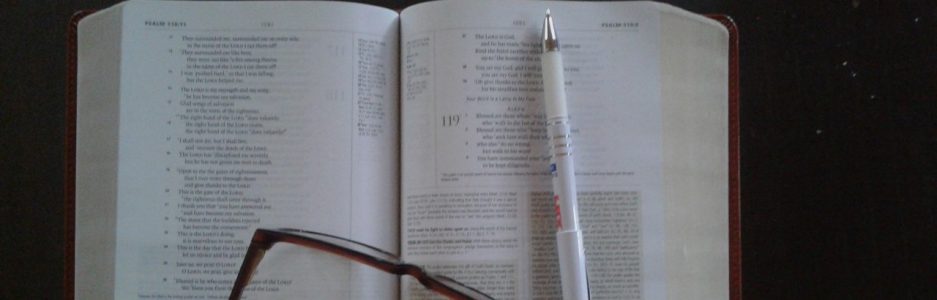

And he told them a parable to the effect that they ought always to pray and not lose heart. (Luke 18:1).
Prayer is indispensable in the life of a Christian. Therefore every believer must be a man and woman of prayer. Jesus taught about prayer during His earthly life and prayer was central to His earthly life. One of the many lessons about prayer by Jesus is in Luke 18:1-14: the widow and Judge, and the Pharisee and tax collector
What Is Prayer?
Prayer is defined as “an offering up of our desires unto God, for things agreeable to his will, in the name of Christ, with confession of our sins, and thankful acknowledgement of his mercies.”[1]
In the definition, we see prayer involves petitions to God. These petitions must be in accordance with God’s will. Prayer must also be offered in the name of Christ. This means we can approach God in prayer only through Christ. Through prayer, we also confess, repent and forsake our sins. Finally, prayer is a conduit by which we express our gratitude to God.
How Must We Pray?
As important as prayer is, not many of us give it the needed attention. From Luke 18, we can glean a number of lessons about prayer.
Persistency
Luke 18 opens with the words “And he told them a parable to the effect that they ought always to pray and not lose heart”(v.1). Prayer is not optional for the Christian. The widow in the parable displayed persistency and importunity. Scripture calls on us to “pray without ceasing (1Thes 5:17).
Faith
At the end of the first part of the parable, Jesus remarked “…when the Son of Man comes, will he find faith on earth?”(v.8). The whole of the Christian life must be driven by faith. But faith is not empty optimism. Faith must be grounded in the word of God and in His promises. In the word of God, the will of God is revealed and faith is engendered (1Jn 5:14-15, Rom. 10:17).
Humility
The second part of Jesus’ parable focuses on a Pharisee and a Tax Collector. They both went up the temple to pray. The Pharisee is introduced to us as a self-rigtheous fellow. He approaches God meritoriously: “God, I thank you that I am not like other men, extortioners, unjust, adulterers, or even like this tax collector. I fast twice a week; I give tithes of all that I get.” (vv.11-12). Contrary to the Pharisee, “the tax collector, standing far off, would not even lift up his eyes to heaven, but beat his breast, saying, ‘God, be merciful to me, a sinner!’(v.13). We are deserving of nothing from God on our merit. The Bible says our righteousness is as filthy rags before God (Is. 64:6). The only merit upon which we approach God is Christ, His finished work and exalted name above all names ( Jn 14:13, Phil 2:9-10).
Why Must We Pray?
Prayer Is A Command
“Prayer, with thanksgiving …is by God required of all men…”[2] Prayer is our duty; a command and a necessity. The essence of the parable in Luke 18 was “to the effect that they ought always to pray”(v.1). Prayer is an “ought”–an obligation. When the Bible calls us to prayer, it is not a suggestion.
We are invited, even commanded, to pray. Prayer is both a privilege and a duty, and any duty can become laborious. Prayer, like any means of growth for the Christian, requires work. In a sense, prayer is unnatural to us. Though we were created for fellowship and communion with God, the effects of the fall have left most of us lazy and indifferent toward something as important as prayer”.[3]
If we begin to see prayer as a command and a necessity, we will give it the needed attention. Prayer, simply, is obedience to God.
Prayer Is Dependence On God.
The widow relentlessly pleaded her case with the judge and Jesus calls attention to that moving from a lesser argument to a greater: “Hear what the unrighteous judge says. And will not God give justice to his elect, who cry to him day and night?”(v.7). The phrase “day and night” is a clear picture of dependence on God. In the Lord’s prayer, Matthew 6:11, Jesus calls us to dependence on God. We are to pray “Give us this day our daily bread”. We draw our sustenance from God daily–not weekly, not monthly, not yearly. But daily.
Prayer Is Worship
Believers are called to offer ourselves as a living sacrifice, holy and acceptable to God. We see the contrite tax collector in verse 14 confessing his sins and pleading for mercy. It is in prayer we confess our sins and offer our thanksgiving and adoration to God. Prayer is Worship because it requires of us humility, reverence and faith: “Prayer is the secret of holiness-if holiness, indeed, has anything secretive about it. If we examine the lives of the great saints of the church, we find that they were great people of prayer”[5]
God Answers Prayer
Probably, the highest motivation for prayer is that when we pray, God answers. What is the essence of prayer if there is no God to answer or hear us? Looking back to the parable, Jesus said “I tell you, he will give justice to [his elect] speedily (v.8). “Speedily”–that is without delay. In v. 14, we are told the tax collector went home justified rather than the Pharisee. These all point to the biblical truth that God hears and answers us when we call on Him in prayer. Let us be encouraged in whatever situation we find ourselves to seek the face of the Lord in prayer without fainting (Heb 4:14,16).
Notes:
1: Westminster Shorter Catechism, Q & A 98
2: Westminster Confession Of Confession 21.3
3: R.C.Sproul, Does Prayer Change Things? (Reformation Trust Publishing: Ligonier, 1999. [kindle]).
4: John MacArthur Jr., Alone With God (East Sussex: David Cook, 2011 [kindle])
5:R.C.Sproul, Does Prayer Change Things? (Reformation Trust Publishing: Ligonier, 1999. [kindle]).

 Grace and Truth